
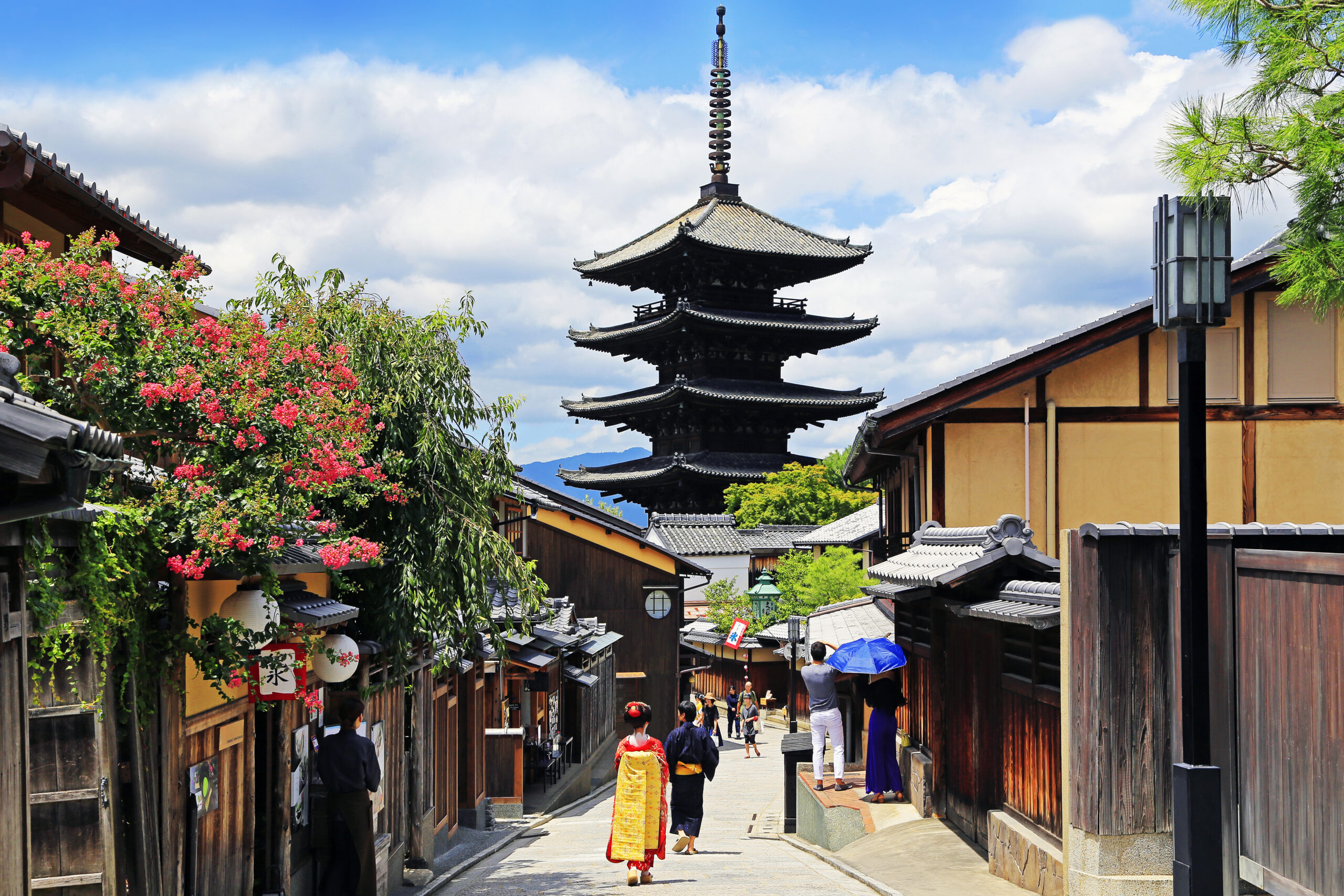





Kyoto is undoubtedly one of the best places in Japan for photography. The former capital is packed with temples, shrines, gardens, and old neighborhoods that make exploring with a camera extremely rewarding. In a lot of ways, Kyoto reflects the classic image many people have of Japan. With more than 1,600 temples, around 400 shrines, and 17 UNESCO World Cultural Heritage Sites, it’s the kind of place where you can turn down almost any street and find a great photo opportunity waiting for you.
Keep reading and you’ll find multiple spots that are considered must-shoot locations. Some of these locations are famous, and some are simple viewpoints that are easy to miss if you’re moving too quickly. You will also get some insight about the best season and time of day for capturing photos in Kyoto.
Table of Contents
Kiyomizu-dera Temple
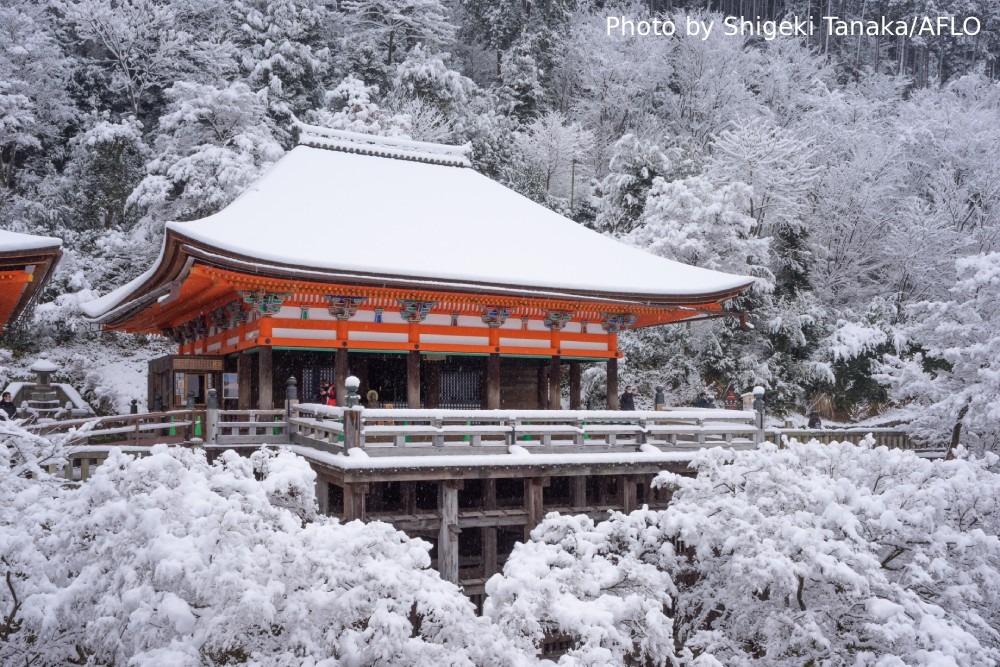
Kiyomizu Temple Snow View Higashiyama, Kyoto (Photo by Shigeki Tanaka/AFLO)
Kiyomizu-dera is one of Kyoto’s most iconic temples and a designated UNESCO World Heritage Site. Founded in 780, it has played an important role in Japan’s cultural and religious history for centuries. The temple sits on a hillside, and its large wooden terrace gives a fantastic view over Kyoto. This is one of the reasons it’s such a popular spot for visitors.
The name “Kiyomizu-dera” means “Temple of Pure Water,” referring to the natural spring that flows within the temple grounds. Many visitors drink from the Otowa Waterfall, as the spring’s water is believed to bring good fortune and health.
The best time to visit Kiyomizu-dera for photos is late afternoon when the sun starts to drop. The light hits the temple and the trees in a warm glow, which makes it a great time to take evocative shots. Spring and autumn are also popular because of the cherry blossoms and fall colors. These seasons give you a lot of interesting backgrounds, but they’re also the busiest, so expect crowds. The temple connects directly to Sannenzaka and Ninenzaka, two preserved pedestrian streets filled with traditional shops and tea houses. These stone-paved lanes are just as photogenic as the temple itself.
Kiyomizu-dera also has special events throughout the year. One of the most well-known is Seiryū-e (Blue Dragon Festival). The event honors Seiryū, one of the four guardian creatures said to protect Kyoto from harm. Because Seiryū is considered an incarnation of Kannon, the Buddhist deity of mercy, monks and members of the Monzen-kai shopping street group join together to form a lively procession. The group begins at Okuno-in Hall at 2:00 PM., marches from Sai-mon Gate around 3:30 PM, and then continues through the temple grounds and surrounding streets before returning. The festival takes place on March 15, April 3, and October 15. Visiting during one of these can be a fun way to see the temple in a different atmosphere and capture something you wouldn’t get on a regular day.
Yasaka Pagoda
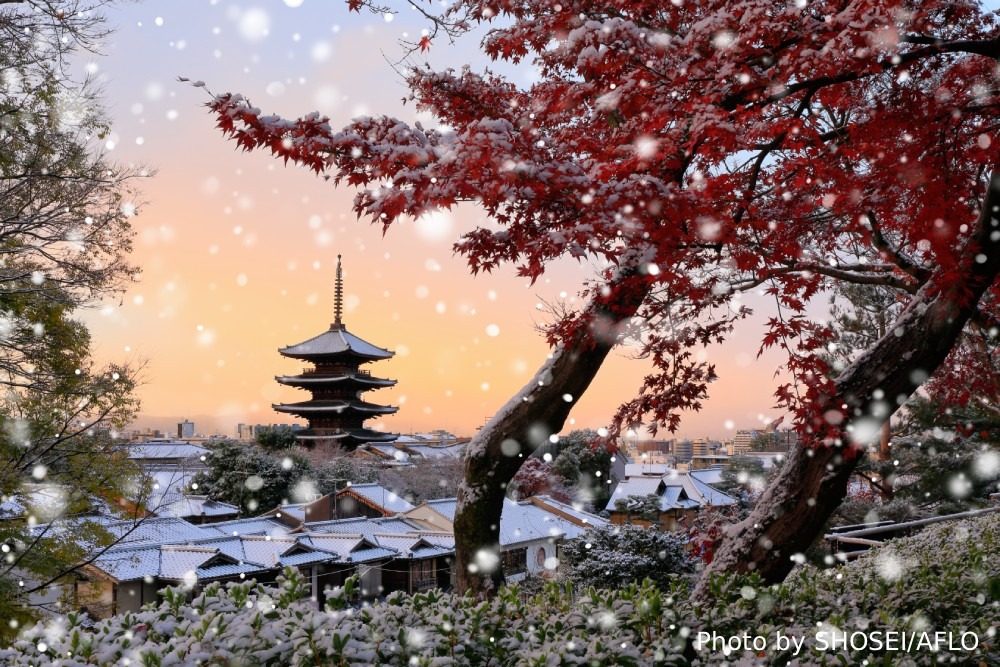
Morning Snow and Autumn Leaves at Yasaka Pagoda, Kyoto Pref. (Photo by SHOSEI/AFLO)
Hokan-ji Temple, often called Yasaka-no-tō (Yasaka Pagoda), is a five-story, 46-meter pagoda located between Kiyomizu-dera and Yasaka Shrine in one of Kyoto’s older neighborhoods. Many people come across it naturally while walking through the Higashiyama area. Visitors can enter the pagoda to see its interior structure, statues, and remaining painted surfaces.
The temple’s origins go back to 589, when Prince Shōtoku is said to have built a tower inspired by a dream. The pagoda standing today was rebuilt in 1440 by Ashikaga Yoshinori, the sixth shogun of the Muromachi period. Much of the temple complex was later destroyed in the Ōnin War, leaving only the pagoda and a handful of structures.
Today, Yasaka Pagoda is one of Kyoto’s most recognizable landmarks. It sits along a sloped street lined with traditional wooden buildings, creating a natural leading line that many photographers love. At night, lanterns and street lights create a calm atmosphere that works well for photos. The area also works nicely for portraits, kimono shoots, or simple lifestyle photography.
Because the pagoda is in the historic Higashiyama district, there are plenty of interesting places to explore nearby. Small shrines, teahouses, shops selling handmade goods, and traditional sweets stalls are all within a short walk.
Maruyama Park
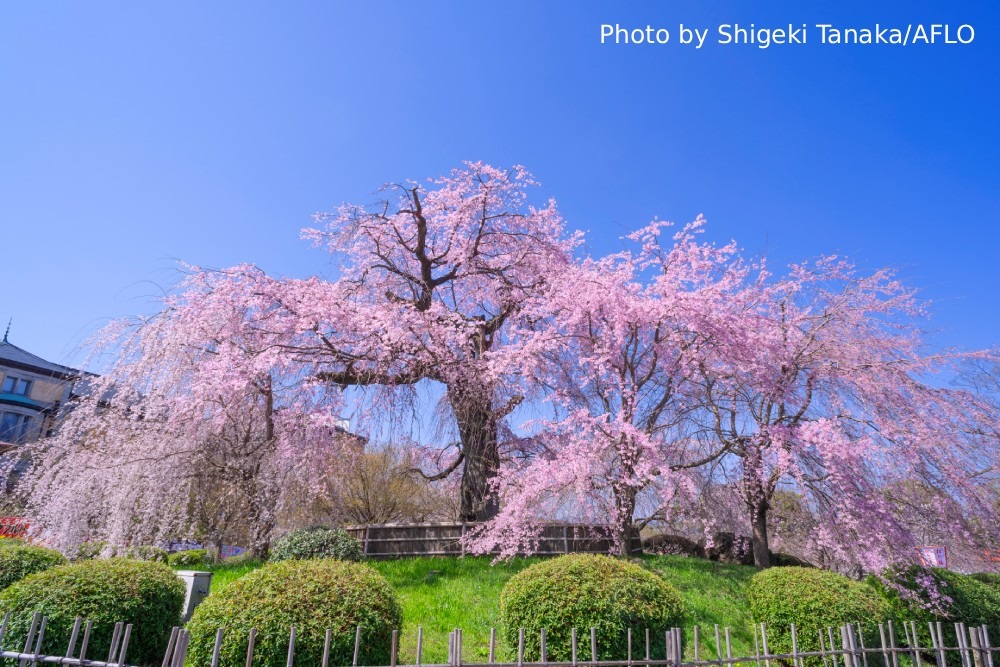
Cherry blossoms in Maruyama Park Kyoto City Kyoto Prefecture (Photo by Shigeki Tanaka/AFLO)
Maruyama Park is Kyoto’s oldest public park, covering about 86,000 square meters. It sits right beside Yasaka Shrine and is one of the city’s go-to spots for seasonal scenery. Every year in early April, the park becomes one of Kyoto’s busiest places for hanami (cherry blossom viewing) as the cherry trees reach full bloom. Groups from all over gather under the branches to enjoy picnics and the lovely view. At the center of it all is a tall shidarezakura (weeping cherry tree). This signature tree is especially loved by photographers. During peak bloom, its long branches create a curtain-like effect and the nighttime light-up adds a dramatic glow that’s ideal for low-light or long-exposure shots.
In March, Maruyama Park becomes one of the main stages for the Higashiyama Hanatōro Festival, a 10-day event that fills the area with lanterns. For photographers, Hanatōro is a chance to capture Kyoto’s historic district in a completely different mood and a festival setting without the harsh brightness of typical city nightscapes. The lights switch on at 6:00 PM and stay lit until 9:30 PM, giving plenty of time to explore.
Beyond cherry blossom season, the park has a variety of things to enjoy throughout the year. It includes stroll gardens, rest spots and several restaurants. After walking through the many temples and streets of Higashiyama, it’s an easy and relaxing place to take a break or enjoy a slower moment before continuing your day.
Gion
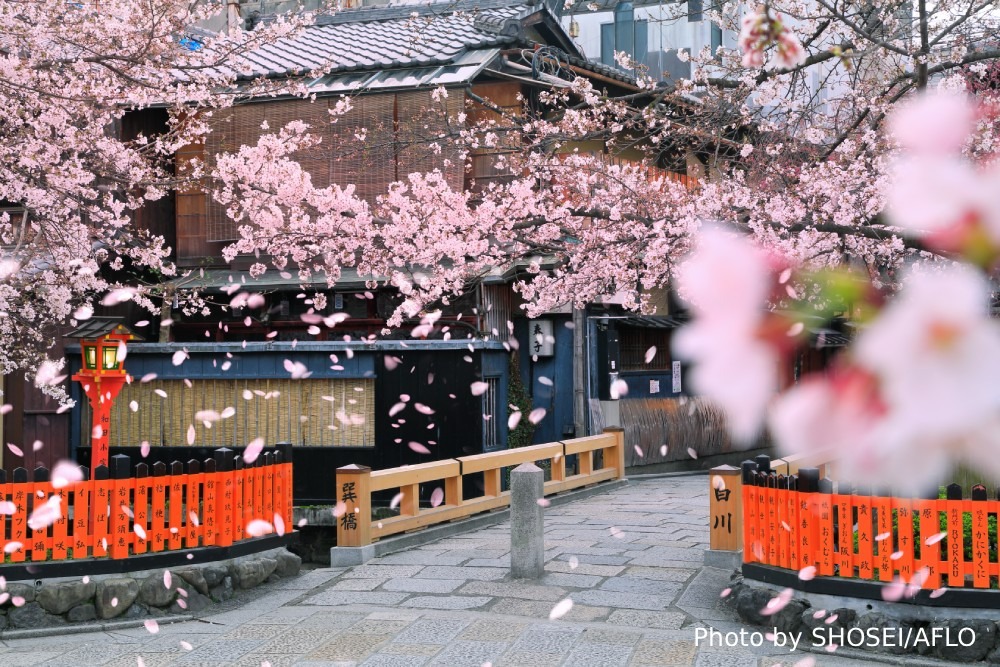
Cherry blossoms and Tatsumi Bridge at Gion Shirakawa River, Kyoto (Photo by SHOSEI/AFLO)
Gion has become a go-to spot in Kyoto. In the evenings, it’s common to see tourists waiting along the streets hoping to catch a glimpse of a passing geiko, or maiko. If you see a geiko or maiko, be respectful. Please remember not to approach, touch, follow, or take unauthorized photographs of them. Failure to follow the rules may result in fines, so it is important to be mindful.
Gion Shirakawa
Gion Shirakawa is a peaceful canal-side street located slightly away from the busier main section of Gion. It is known for the clear Shirakawa River. Every season gives Gion a different atmosphere, which makes it a nice spot for photos all year round. In spring, the cherry blossoms stand out, and in autumn, the changing leaves add a lot of color to the area. The mix of seasonal scenery and people in kimono makes it an easy place to take nice photos. The area is also filled with wooden houses and traditional storefronts that will add a strong Japanese feel to your shots.
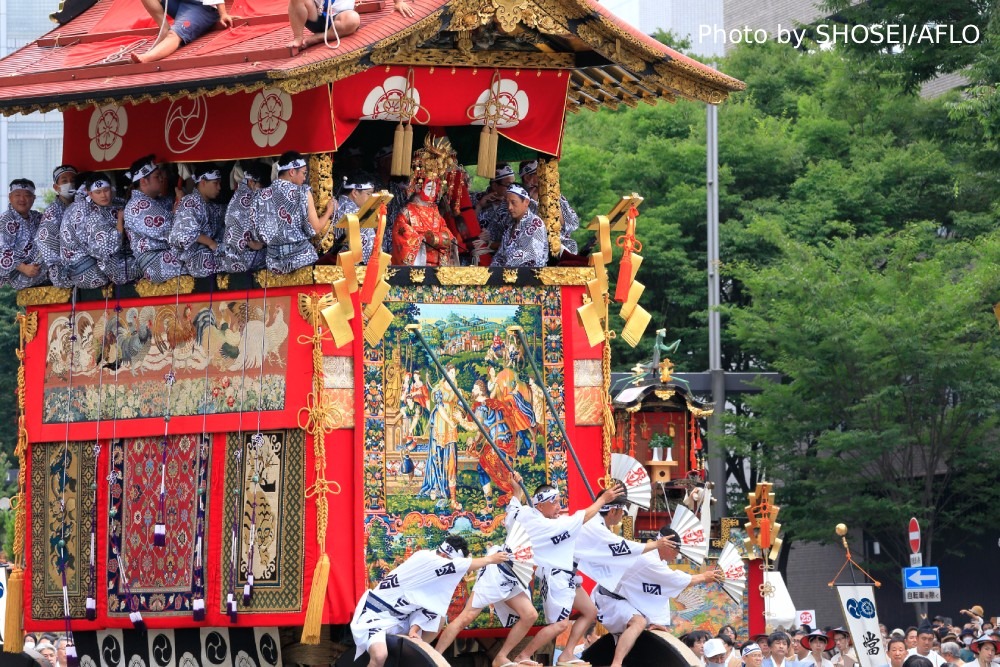
Gion Festival (Mae-matsuri) Hakodani floats turning in a Tsujishimari (a procession of floats) Kyoto, Japan (Photo by SHOSEI/AFLO)
Gion Festival
The Gion Festival (Gion Matsuri), one of Japan’s most famous festivals, takes place every July. It started over 1,100 years ago as a religious ceremony and has since grown into a month-long celebration filled with parades, traditional music, food stalls, and local community events. Visiting during this time will give you plenty of chances to take great photos and enjoy the atmosphere.
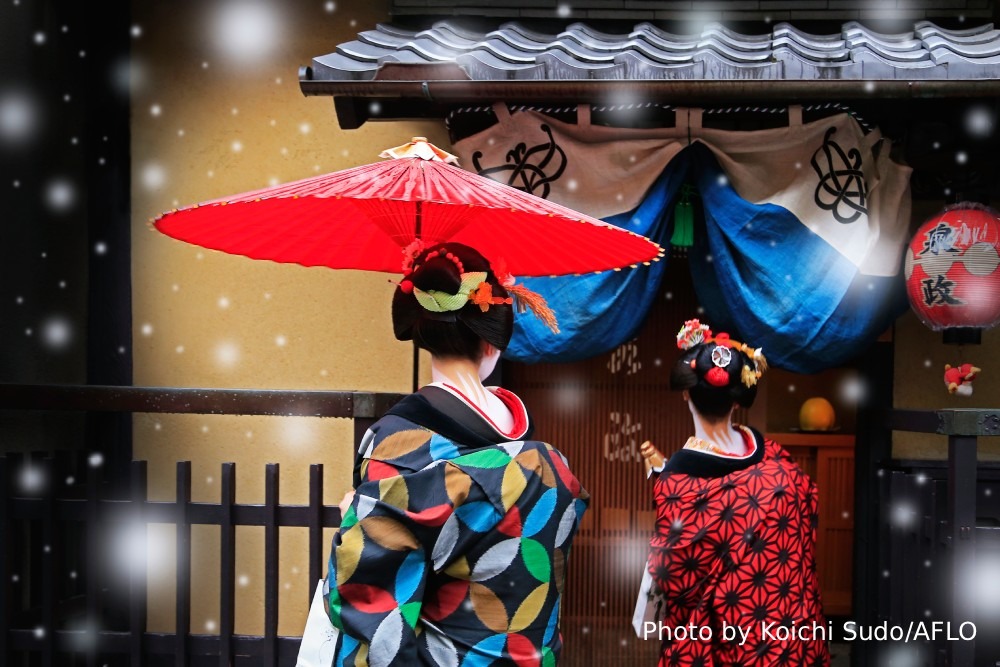
Gion, Kyoto City, Kyoto Winter in Kyoto (Photo by Koichi Sudo/AFLO)
If you plan on being the subject of the photographs, renting a kimono or Fukata is highly recommended. The process is actually easier than most people expect, even if you don’t speak Japanese. Popular options include shops like, Yume Kyoto, Yumeyakata, and Kyoto Kimono Rental Wargo. Most shops offer websites in English, so you can check prices, see their kimono selection, and book a time slot before you go. Booking ahead is the safest option, especially during spring and autumn, when shops get busy. Shops usually hold onto your clothes, bags, and anything else you don’t want to carry. They’ll store your items safely until you return. You only need your phone, wallet, and camera for your walk around Gion.
Fushimi Inari Shrine
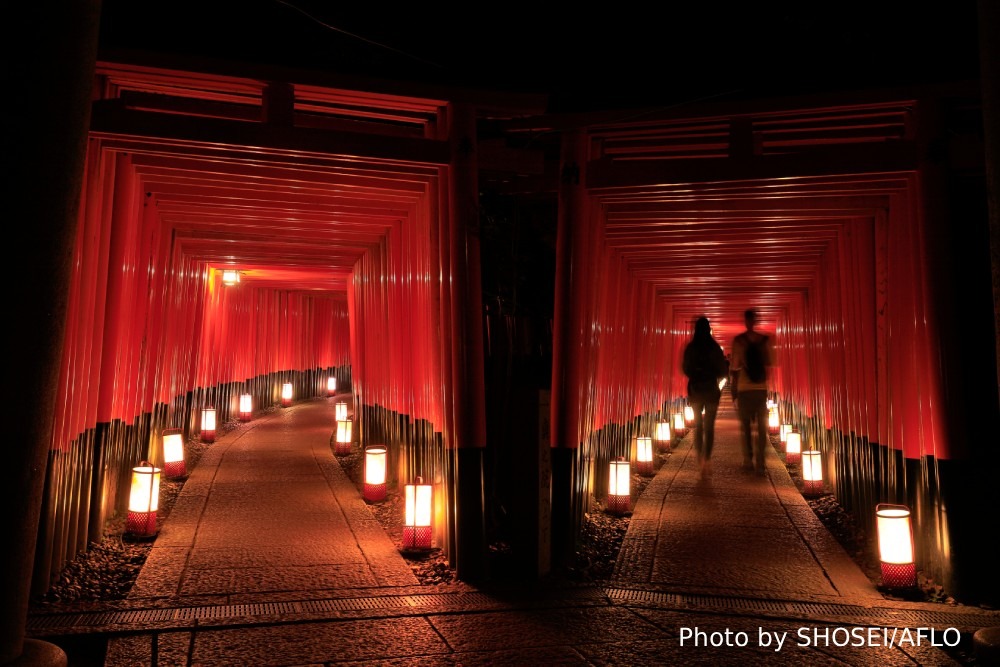
Thousand Lanterns at Fushimi Inari-taisha Shrine Kyoto Pref. (Photo by SHOSEI/AFLO)
Fushimi Inari Shrine is one of Kyoto’s most photographed locations thanks to the Senbon Torii. This is a long pathway lined with thousands of bright vermilion gates winding up the mountain. What makes it good for photography is the repetition of the gates, which naturally creates a strong sense of depth in images. The shrine grounds near the bottom are quite busy throughout most of the day, especially during peak travel seasons, but the higher you climb, the quieter the pathway becomes. This means you can have a chance to take photos without feeling too rushed.
It is open all year round and is free of cost. The weather and season plays a big role in how enjoyable your visit will be. Fushimi Inari looks its best on clear days when the sunlight brings out the colors of the gates. Keep in mind that the summer heat can make the hike uncomfortable, and winter can be quite cold and windy. That’s why the most pleasant time to visit is during spring or autumn when the temperature is comfortable. Because of the popularity of this spot, the best time to shoot is sunrise to early morning, before the major crowds arrive. Waking up early isn’t everyone’s favorite thing, but missing a little sleep is worth it here.
The warm morning light also adds dimension to the orange gates. If you finish the hike, you’ll eventually loop back down into the Fushimi neighborhood. The area has traditional tea shops and mochi vendors. You can also find sake breweries, since Fushimi is one of Japan’s most famous sake regions. People often say that local sake pairs best with local food, and Fushimi’s sake is no exception. It’s the perfect match for Kyo-ryori, Kyoto’s traditional cuisine.
Arashiyama Bamboo Grove
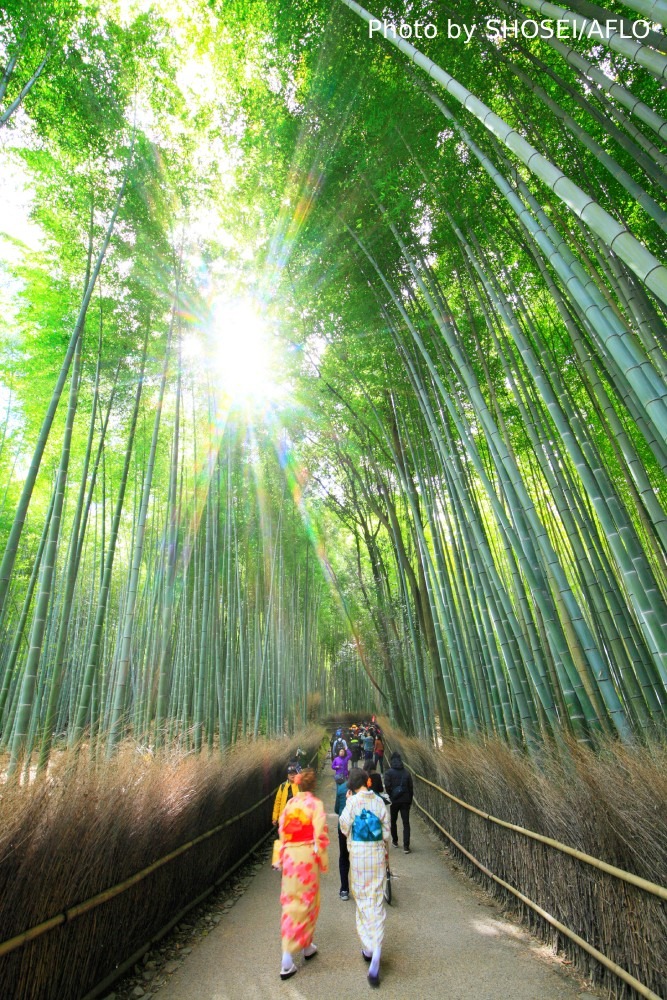
Arashiyama, Kyoto Prefecture: Bamboo grove path and tourists (Photo by SHOSEI/AFLO)
The Arashiyama Bamboo Grove is known for its tall bamboo stretching overhead and the soft green light that filters through. The path feels like a tunnel made of bamboo and looks amazing in photographs. The biggest challenge is the number of visitors, so timing is everything. Try to arrive early, around sunrise or before 8 AM. At that time it’s much quieter, cooler, and easier to take photos without having to deal with the much bigger late afternoon crowd.
After walking through the grove, you can head toward Ōkōchi Sansō Villa. Many people surprisingly skip this stop, which actually works in your favor if you’re hoping to take photos without crowds. There is a 1,000 yen entry fee, but spending this is totally worth it for the views you get.
If you continue down toward the river, the Katsura River area opens up into wider, calmer views that are great for photography, including reflections on the water and mountain views. Arashiyama is the kind of place where you can easily spend the whole day, especially if you visit the Iwatayama Monkey Park or simply choose to enjoy a slow walk along the riverside paths.
Ōkōchi Sansō Villa
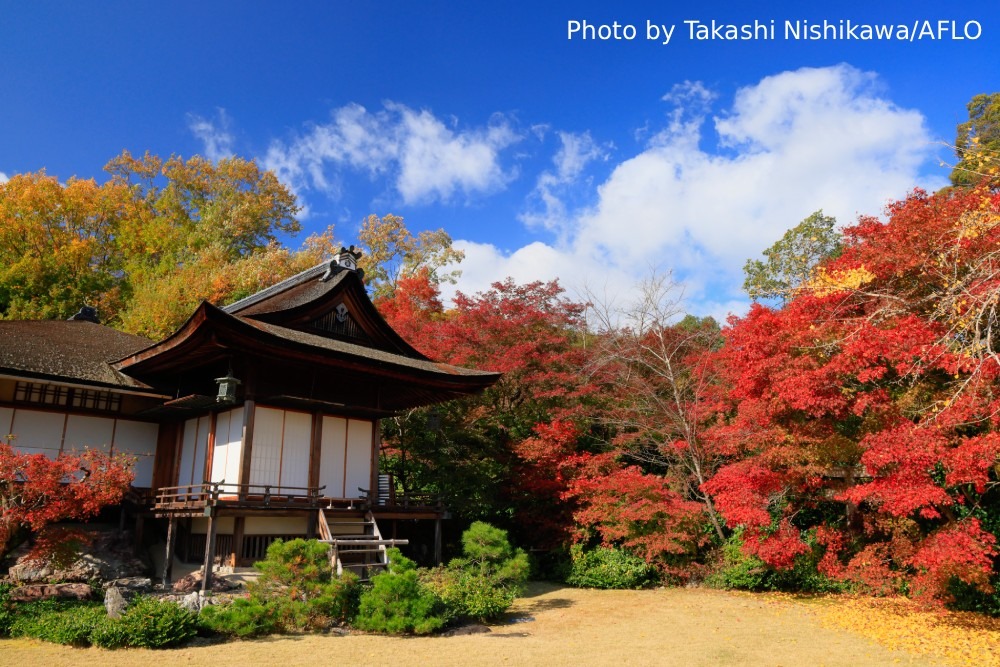
Daijokaku and Autumn Leaves at Okochi Sanso Kyoto City, Kyoto Prefecture (Photo by Takashi Nishikawa/AFLO)
Ōkōchi Sansō Villa is one of Arashiyama’s quieter spots, often missed because it sits beyond the famous bamboo grove at the base of Mount Ogura. The estate was once the private residence of period-film actor Ōkōchi Denjirō (1898–1962), who spent more than 30 years shaping the garden from the age of 34 until his passing at 64. Spread across roughly 20,000 square meters, the grounds follow the natural contours of the hillside.
The villa is known for its sweeping views of the surrounding mountains, the Hozu River, and the city of Kyoto. These outlooks were said to be what inspired Denjirō to devote so much time to the garden. Pathways lead visitors from one vantage point to another, offering layered scenery ideal for landscape photography.
Although the entrance fee (1,000 yen) is higher than many Kyoto gardens, this one includes a serving of matcha and a Japanese sweet at the teahouse. It’s a peaceful spot to sit, rest your feet, and enjoy a slower pace. Compared to the busier areas of Arashiyama, the villa usually feels calm, making it easy to take your time with photos. Before leaving, stop by the small open-air museum dedicated to Ōkōchi Denjirō. The exhibit has vintage photographs, film posters, and videos about his life and career, especially his work in samurai and jidai-geki films. Fans of classic sword-fighting cinema will appreciate this glimpse into the life of one of the genre’s early stars.
Togetsukyo Bridge
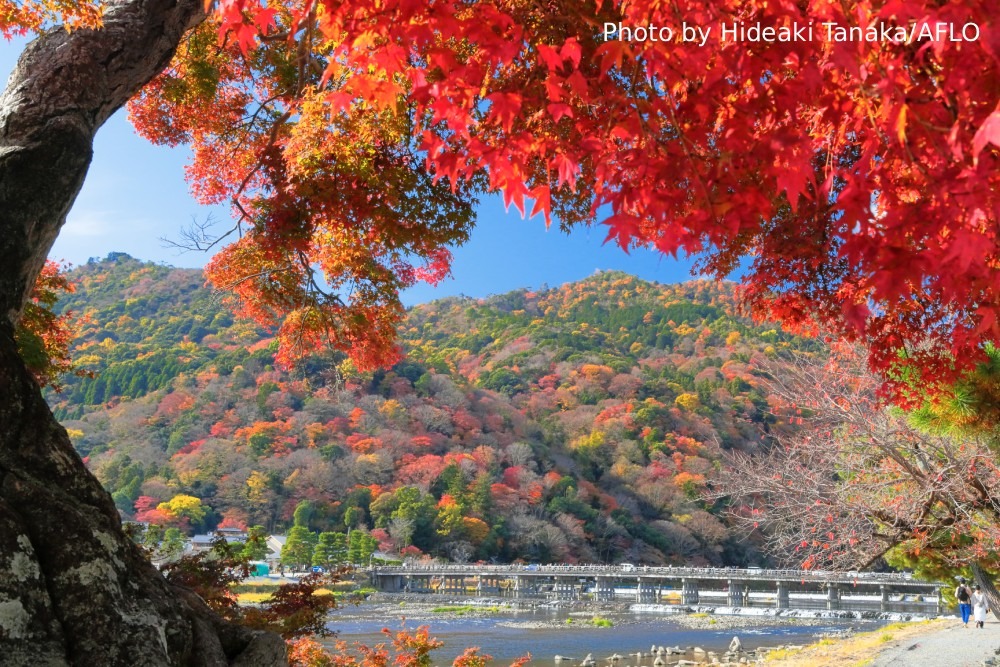
Arashiyama and Togetsu Bridge in autumn leaves Kyoto City, Kyoto Prefecture (Photo by Hideaki Tanaka/AFLO)
Along the Katsura River you can find the Togetsukyo Bridge which serves as the visual center of Arashiyama. The area looks different throughout the year, so your photos will naturally change with the seasons. Spring brings cherry blossoms across the hills, summer is full of deep green, autumn adds warm reds and yellows, and winter can turn the whole scene into a calm, snowy landscape.
The riverside paths are also great for wandering with your camera. You can shoot from the water’s edge to frame the mountains, or cross the bridge to capture the flow of visitors and local shops. You’ll also see boats moving along the water, which make great candid subjects. Follow the river upstream and you will find quieter trails leading to small shrines.
Philosopher’s Path
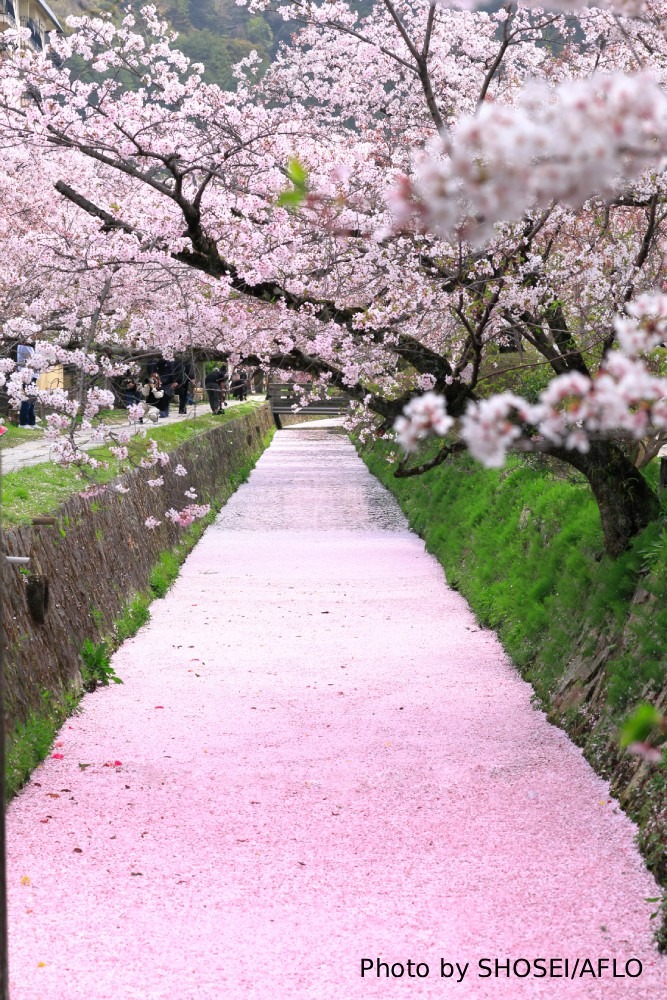
Philosopher’s Path: Row of Sekisetsu Cherry Trees and Flower Rafts on the Sosui Canal Kyoto Prefecture (Photo by SHOSEI/AFLO)
The Philosopher’s Path is a stone walkway along a narrow canal that runs through part of northern Kyoto. It’s named after one of Japan’s most famous philosophers, Kitaro Nishida, who used to walk there daily as a way of meditating. The approximately two kilometers walk connects Ginkaku-ji (Silver Pavilion) to Nanzenji Temple, so it’s ideal for a half-day route with plenty of things to see.
It is one of the city’s most popular hanami spots for a reason. The path is lined with cherry trees, so it goes without saying that spring is the most photogenic season. However, it’s quite pleasant year-round. One of the standout temples in the area is Honen-in. Its entrance gate is especially beautiful in autumn. It’s a quiet spot that’s easy to enjoy even during the busier seasons. What makes the area interesting is the mix of natural scenery and small neighborhood details. You’ll see cats lounging on walls, little coffee shops, pottery studios, and small shrines tucked into corners.
Ryoan-ji Rock Garden
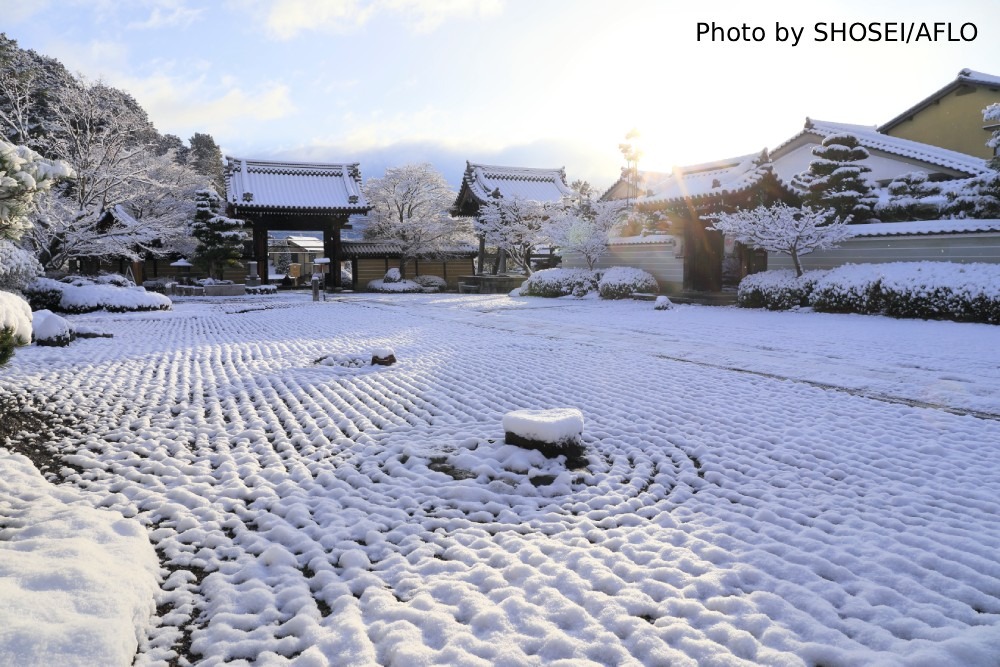
Snow-covered sand pattern on the approach to Myoman-ji Temple and the temple gate Kyoto Pref. (Photo by SHOSEI/AFLO)
Ryoan-ji is one of Kyoto’s most famous gardens. It is famous for its rock garden made of raked white gravel and carefully placed stones. Featuring classic Japanese architecture and beautifully designed gardens, Ryoanji holds UNESCO World Heritage status and is a must-see destination in Kyoto. While it might seem simple at first glance, it’s a great place for thoughtful photography, capturing stillness and balance rather than movement or complexity. The space encourages you to slow down. It’s less about snapping a lot of pictures and more about appreciating your surroundings. This is the kind of spot where one or two meaningful photos can feel more satisfying than many.
Be sure to check out the stone basin on the north side of the priest’s chambers since it’s an easy detail to miss. Take a walk around the grounds, which are especially nice during cherry blossom season. There’s a beautiful pond with walking paths, mossy forest textures, and seasonal plants that change throughout the year. If you prefer a quieter visit, try going right when the temple opens or just before it closes, when there are fewer people around. Ryoan-ji pairs easily with Kinkaku-ji, which is just a short walk or bus ride away.
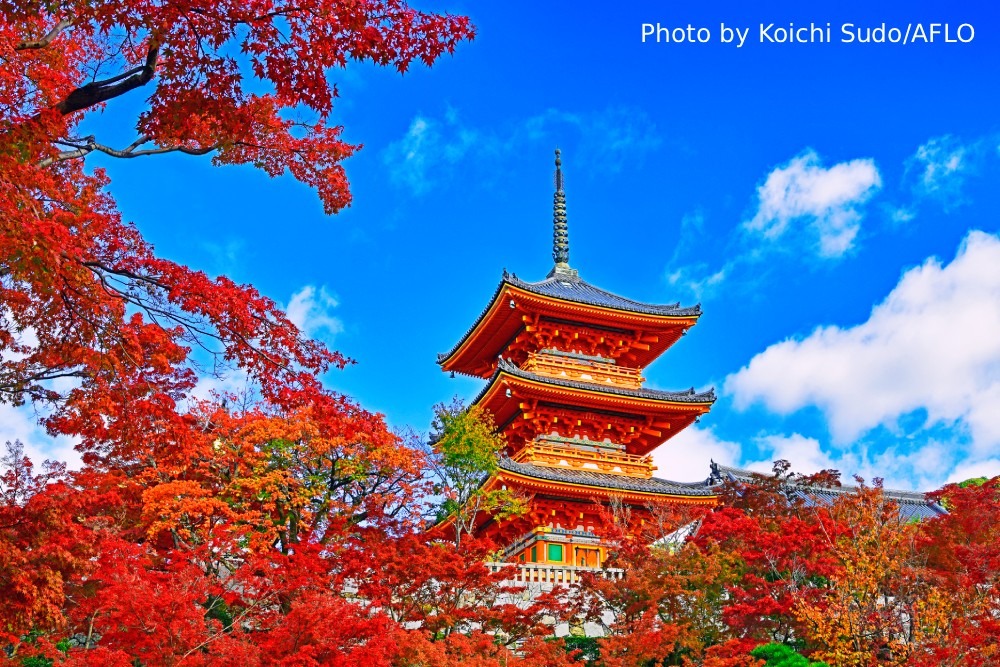
Kiyomizu Temple Autumn Foliage World Heritage Site (Photo by Koichi Sudo/AFLO)
Kyoto rewards patience. The best photos here often come from waiting a little longer or visiting at a quieter time of day. Even the most photographed places still feel different depending on the season, weather, and time of day. Use this list as a starting point, but let yourself explore beyond it. If you can, allow for time to walk between locations rather than relying only on transport. You’ll be amazed with what you find in Kyoto.